Section 73 vs Section 74 in CGST: Litigation Trends & Rulings

Understand the difference between Section 73 and Section 74 of CGST Act, penalties, time limits, and latest GST litigation trends.

Section 73 vs Section 74 in CGST: Litigation Trends & Rulings

If there is one issue that repeatedly triggers GST litigation in India, it is the wrong invocation of Section 74 instead of Section 73.

Almost every taxpayer who receives a show cause notice under Section 74 of the CGST Act asks the same question:

“Is this really a fraud case, or is the department stretching it?”

The distinction between Section 73 and Section 74 is not just technical. It directly affects:

  • Penalty exposure
  • Limitation period
  • Burden of proof
  • Litigation strategy

Courts across India have repeatedly held that Section 74 cannot be invoked casually. Yet, in practice, GST notices often allege suppression of facts or wilful misstatement without proper reasoning.

This is precisely why early legal evaluation matters. A seasoned tax consultant in Gurgaon can often identify, at the notice stage itself, whether the department has wrongly invoked Section 74 and whether the case legally falls within Section 73.

This article breaks down Section 73 vs Section 74, explains how litigation is evolving, and highlights key judicial trends every taxpayer should be aware of.

Understanding the Scheme of Section 73 and Section 74 of CGST Act

The CGST Act, 2017 provides two separate tracks for recovery of tax that is:

  • Not paid
  • Short paid
  • Erroneously refunded
  • Input tax credit wrongly availed or utilised

These tracks are governed by Section 73 and Section 74 of the CGST Act.

The entire scheme depends on intent.

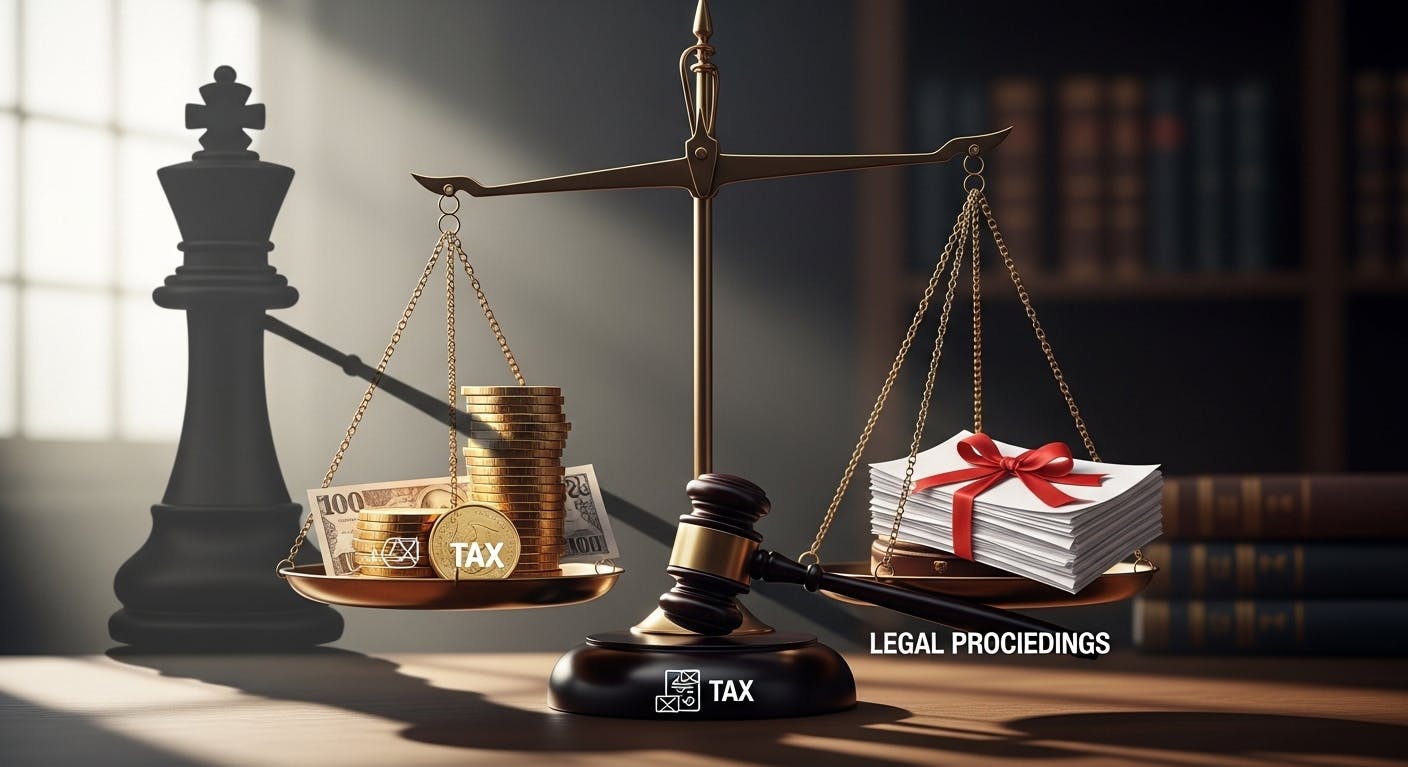
fallback-alt-text

Section 73 of CGST Act – Cases Without Fraud

What Does Section 73 Deal With?

Section 73 of the CGST Act applies when tax is not paid, short paid, or ITC is wrongly availed for reasons other than fraud, such as:

  • Bona fide interpretation issues
  • Accounting mistakes
  • Classification disputes
  • Rate differences
  • Disclosure errors

There is no allegation of intent to evade tax.

In simple words:

Section 73 is for errors, not deception.
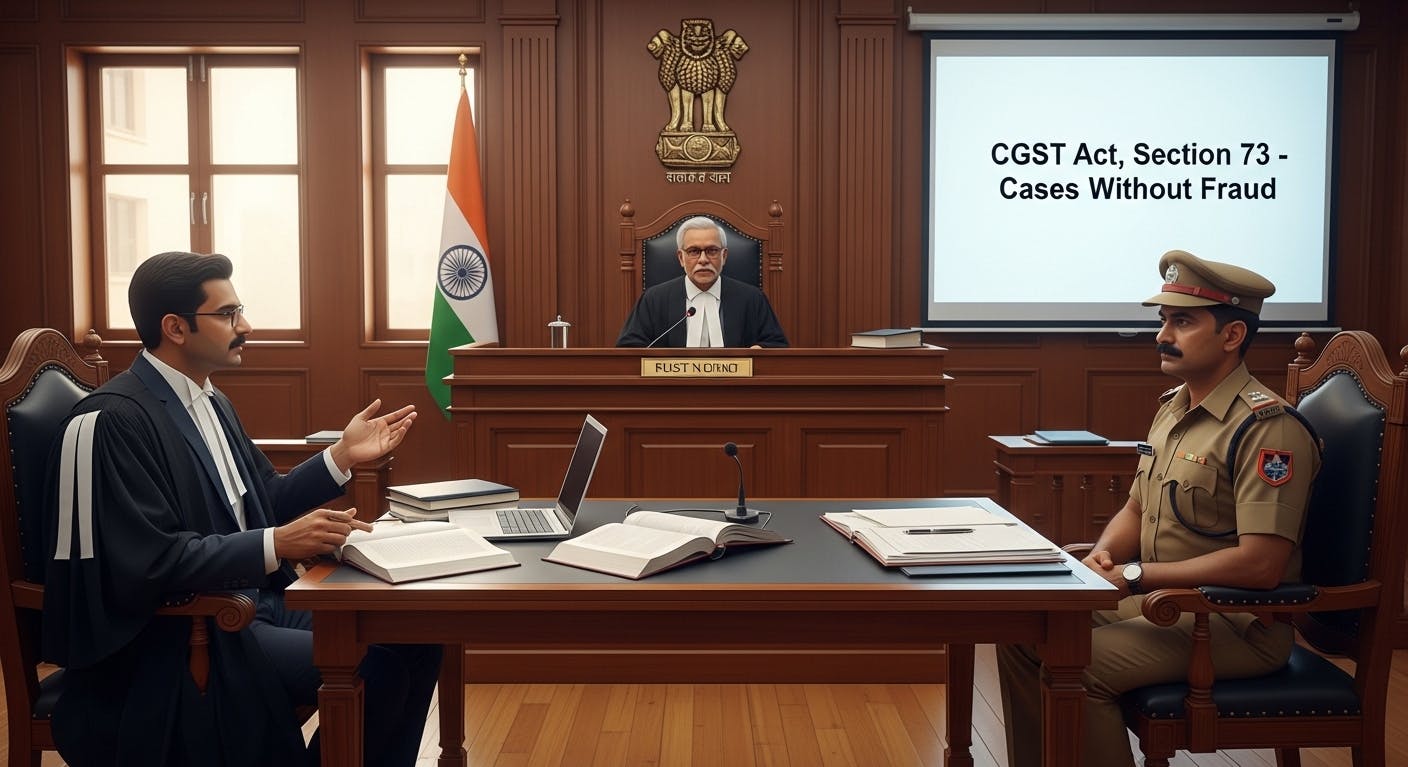
Section 73 of CGST Act – Cases Without Fraud

Common Situations Covered Under Section 73

  • Incorrect availment of input tax credit due to interpretation
  • Short payment of GST due to rate confusion
  • Erroneous refund without intention
  • Clerical or reconciliation mismatches

Courts have repeatedly held that mere discrepancy does not amount to suppression of facts.
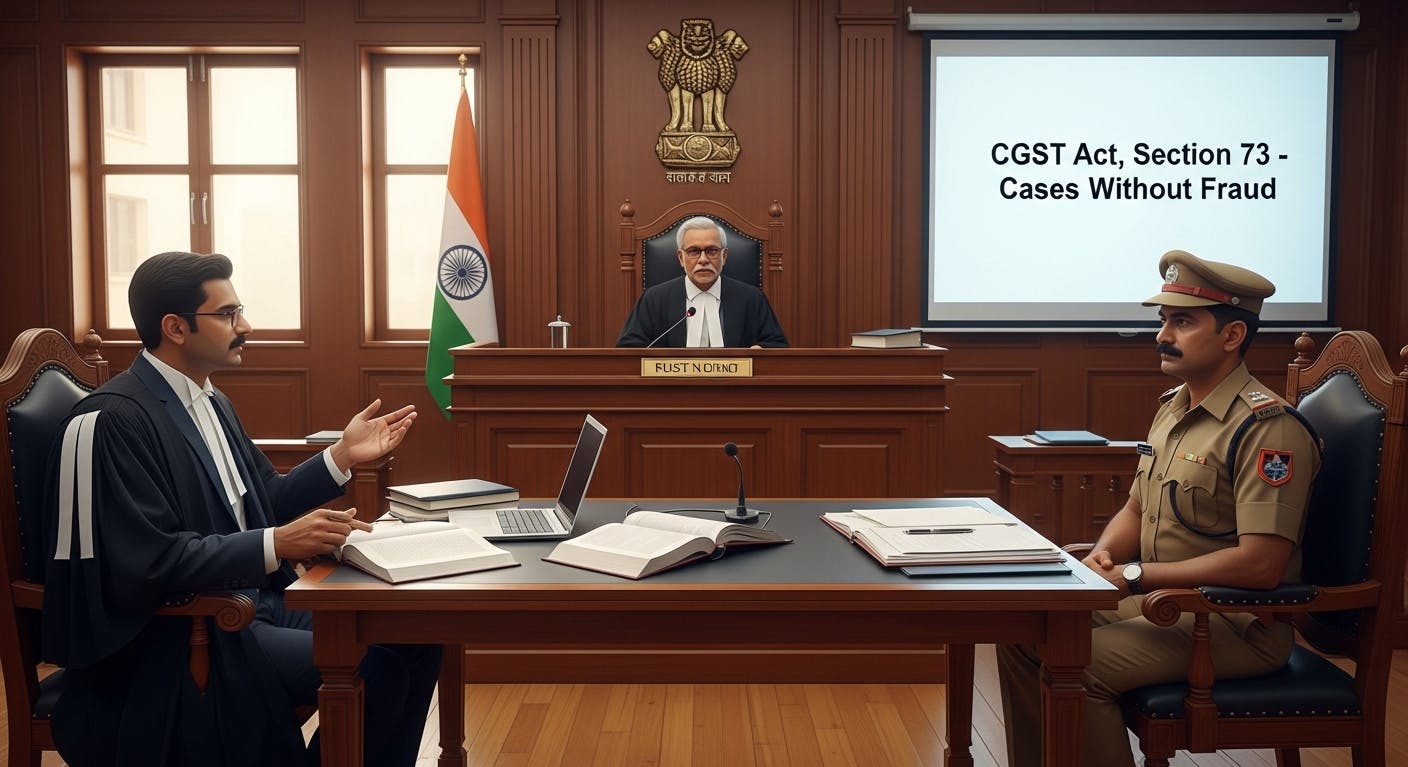
Common Situations Covered Under Section 73

Penalty Under Section 73

  • No penalty, if tax and interest are paid before notice
  • 10% of tax or ₹10,000 (whichever is higher) if paid after adjudication

This is why taxpayers strongly contest wrongful invocation of Section 74.

Penalty Under Section 73

Time Limit Under Section 73

  • Show cause notice must be issued at least 3 months prior to the limitation date
  • Order must be passed within 3 years from the due date of annual return

Time limits are strictly interpreted by courts.

Know more: How to Deal with GST Show Cause Notices (SCNs) Practical Guidance for Businesses

Time Limit Under Section 73

Section 74 of CGST Act – Cases Involving Fraud or Wilful Misstatement

When Does Section 74 Apply?

Section 74 of CGST Act applies when non-payment or short payment of tax is due to:

  • Fraud
  • Wilful misstatement
  • Suppression of facts
  • Intent to evade tax

This is the penal provision of GST law.

Section 74 of CGST Act – Cases Involving Fraud or Wilful Misstatement

Meaning of Fraud, Wilful Misstatement & Suppression

Courts have clarified:

  • Fraud requires deliberate deception
  • Wilful misstatement requires conscious false declaration
  • Suppression of facts must be intentional, not accidental

Mere failure to disclose information when records are available does not amount to suppression.

Penalty Under Section 74

  • 100% penalty equivalent to tax
  • Reduced penalty if tax is paid:
  • Before SCN
  • Within 30 days of notice
  • Within 30 days of order

This makes Section 74 extremely costly for taxpayers.

Penalty Under Section 74

Time Limit Under Section 74

  • Show cause notice can be issued up to 5 years
  • Order must be passed within 5 years from due date of annual return

Because of this extended limitation, Section 74 is often misused.

Time Limit Under Section 74

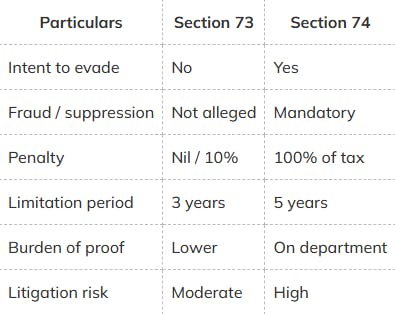
Section 73 vs Section 74 – A Practical Comparison

Section 73 vs Section 74 – A Practical Comparison

Why GST Litigation Focuses on Section 74

Departmental Trend

In recent years, GST officers increasingly issue notices under Section 74 even for:

  • Interpretational disputes
  • ITC reversals
  • Refund issues
  • Rate classification matters

The reason is simple:

  • Higher penalty
  • Longer limitation
  • Stronger bargaining power

However, courts have started pushing back.

Why GST Litigation Focuses on Section 74

Key Litigation Trend: “Intent to Evade” Must Be Proven

Courts have consistently held:

Allegation of fraud cannot be mechanical.

The proper officer must demonstrate:

  • How facts were suppressed
  • What information was concealed
  • Why it indicates intent to evade tax

High Courts have repeatedly observed that Section 74 cannot be invoked merely because tax is short-paid or ITC is disputed. There must be tangible material showing deliberate wrongdoing. In fact, courts have gone on record to clarify that Section 74 cannot be invoked mechanically without evidence of fraud.

This evolving judicial approach has made early legal scrutiny crucial. A knowledgeable gst consultant in gurgaon can assess whether a Section 74 notice is legally sustainable or vulnerable to challenge, often preventing prolonged and unnecessary litigation.

Without such evidence, Section 74 notices fail and are routinely struck down as arbitrary and unsustainable in law.

Key Litigation Trend: “Intent to Evade” Must Be Proven

Important Judicial Principles Emerging

1. Mere Non-Payment ≠ Fraud

Failure to pay tax by itself does not justify Section 74.

2. Disclosure in Returns Defeats Suppression

If:

  • Data is disclosed in GSTR-1, GSTR-3B, or books
  • Information was available during audit

Then suppression cannot be alleged.

3. Wrong Interpretation Is Not Wilful Misstatement

Courts protect taxpayers where:

  • Issue is debatable
  • Law was unclear
  • Multiple interpretations existed

4. Burden Lies on GST Department

In Section 74 proceedings:

  • Department must prove intent
  • Assumptions are not enough

Recommended: GST Limitation Period Explained: Notices, Appeals & Deadlines Before March 31, 2026

Important Judicial Principles Emerging

Show Cause Notices Under Section 73 and Section 74

Common Defects in GST Notices

  • Copy-paste allegations of fraud
  • No specific facts mentioned
  • No reasoning for invoking Section 74
  • Violation of natural justice

Such notices are routinely challenged.

Show Cause Notices Under Section 73 and Section 74

Natural Justice in Section 73 / 74 Proceedings

Courts insist on:

  • Proper show cause notice
  • Opportunity of personal hearing
  • Reasoned adjudication order

Mechanical confirmation of tax and penalty is struck down.

Natural Justice in Section 73 / 74 Proceedings

Input Tax Credit Disputes and Section 74

One of the most litigated areas is ITC wrongly availed.

Courts have clarified:

  • Wrong ITC ≠ fraud
  • Eligibility disputes fall under Section 73
  • Only fake invoices or bogus firms justify Section 74
Input Tax Credit Disputes and Section 74

Erroneous Refund – Section 73 or Section 74?

Erroneous refund cases are often wrongly tagged as fraud.

Judicial view:
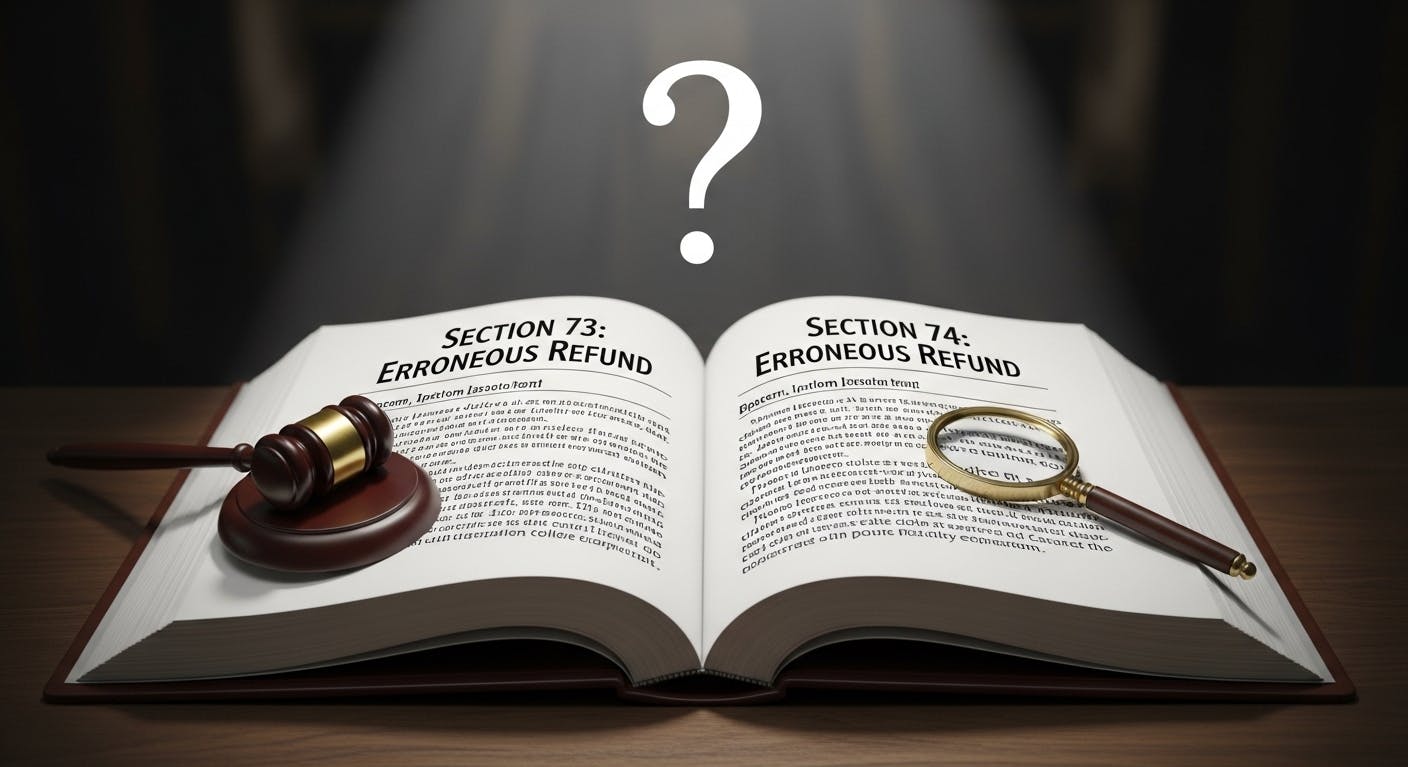
  • Refund granted by department itself usually falls under Section 73
  • Section 74 requires proof of misrepresentation by taxpayer
Erroneous Refund – Section 73 or Section 74?

Adjudication Proceedings: What Taxpayers Should Watch

During adjudication:

  • Demand must match SCN
  • Penalty must be justified separately
  • Reasoning must be independent

Orders merely repeating notice language do not survive appeal.

Adjudication Proceedings: What Taxpayers Should Watch

Payment of Tax During Proceedings – Strategic Impact

Paying tax:

  • Before SCN reduces exposure
  • Under protest preserves rights
  • Does not amount to admission of fraud

This is critical in Section 74 cases.

Payment of Tax During Proceedings – Strategic Impact

Appeals Against Section 74 Orders – Key Grounds

Successful appeals often argue:

  • Absence of intent to evade
  • Incorrect invocation of Section 74
  • Violation of limitation
  • Breach of natural justice

Many Section 74 orders are converted into Section 73 by appellate authorities.

Appeals Against Section 74 Orders – Key Grounds

GST Department’s Burden Under Section 74

To sustain Section 74, department must establish:

  • Mens rea (guilty intent)
  • Deliberate act or omission
  • Clear evidence

Failure on any count weakens the case.

GST Department’s Burden Under Section 74

Practical Takeaways for Taxpayers

  • Do not accept Section 74 casually
  • Examine SCN for factual basis
  • Demand proof of intent to evade
  • Respond with disclosures and records
  • Contest penalty aggressively

Conclusion

The distinction between Section 73 and Section 74 of the CGST Act is not academic it is the backbone of GST litigation.

Courts are clear:

  • Section 74 is an exception, not the rule
  • Fraud must be proved, not presumed
  • Penalty cannot be automatic

For taxpayers, understanding this difference can:

  • Reduce penalty exposure
  • Shorten litigation
  • Strengthen defence

Given the overlap between GST disputes and direct tax compliance, coordinated advice becomes critical. Many businesses rely on an experienced income tax consultant gurgaon to evaluate intent, documentation, and risk exposure across tax laws, ensuring that allegations of fraud are challenged at the right stage.

In GST, intent matters as much as tax.

LATEST BLOG

Stay Up-To-Date With Tax Planning And Changing Tax Laws In India

alt-image

GST: Section 73 vs 74 of CGST Act Explained

Understand GST Section 73 vs 74 of CGST Act. Learn key differences for taxpayers, show cause notice, penalty implications & tax liability. Clarifying 73 & 74!

alt-image

Difference Between a Writ and an appeal in Tax Litigation

Writ vs Appeal guide for taxpayers explaining when a writ petition is appropriate when appeal is safer and how to plan writs and appeals at year end.

alt-image

Revision under Section 263: Year-End Risk Areas for Taxpayers

Understand income tax revision risks under Section 263. Learn about erroneous orders & potential issues under section 263 of the Income-tax Act, 1961.

Enquiry Now