
How to Handle Disputes under the Black Money Act: Complete Legal Guide
A practical guide on handling disputes under India’s Black Money Act, including penalties, appeals, disclosure of foreign assets, and taxpayer rights during proceedings.

A practical guide on handling disputes under India’s Black Money Act, including penalties, appeals, disclosure of foreign assets, and taxpayer rights during proceedings.
The Black Money Act in India introduced strict rules for taxation of undisclosed foreign income and assets held by residents. When disputes arise under the law, taxpayers must carefully respond to notices, manage penalty proceedings, and understand their appeal options.
This guide explains how taxpayers can handle disputes under the Black Money Act, including compliance steps, penalties, and the legal remedies available.
When a notice lands from the income tax department about a foreign bank account or a foreign asset, most people panic first and read later. That’s natural the Black Money (Undisclosed Foreign Income and Assets) and Imposition of Tax Act, 2015 sounds severe. It is: the tax and penalty rules under the Act can be heavy, and in worst cases there is even prosecution risk.
But the right response is rarely dramatic. A calm, methodical approach gather facts, check the return filed, and respond clearly usually keeps the matter manageable.
Below is a practical, step-by-step guide for taxpayers who get drawn into a Black Money Act proceeding in India. I use plain language, real-world tips, and a short checklist you can follow immediately.
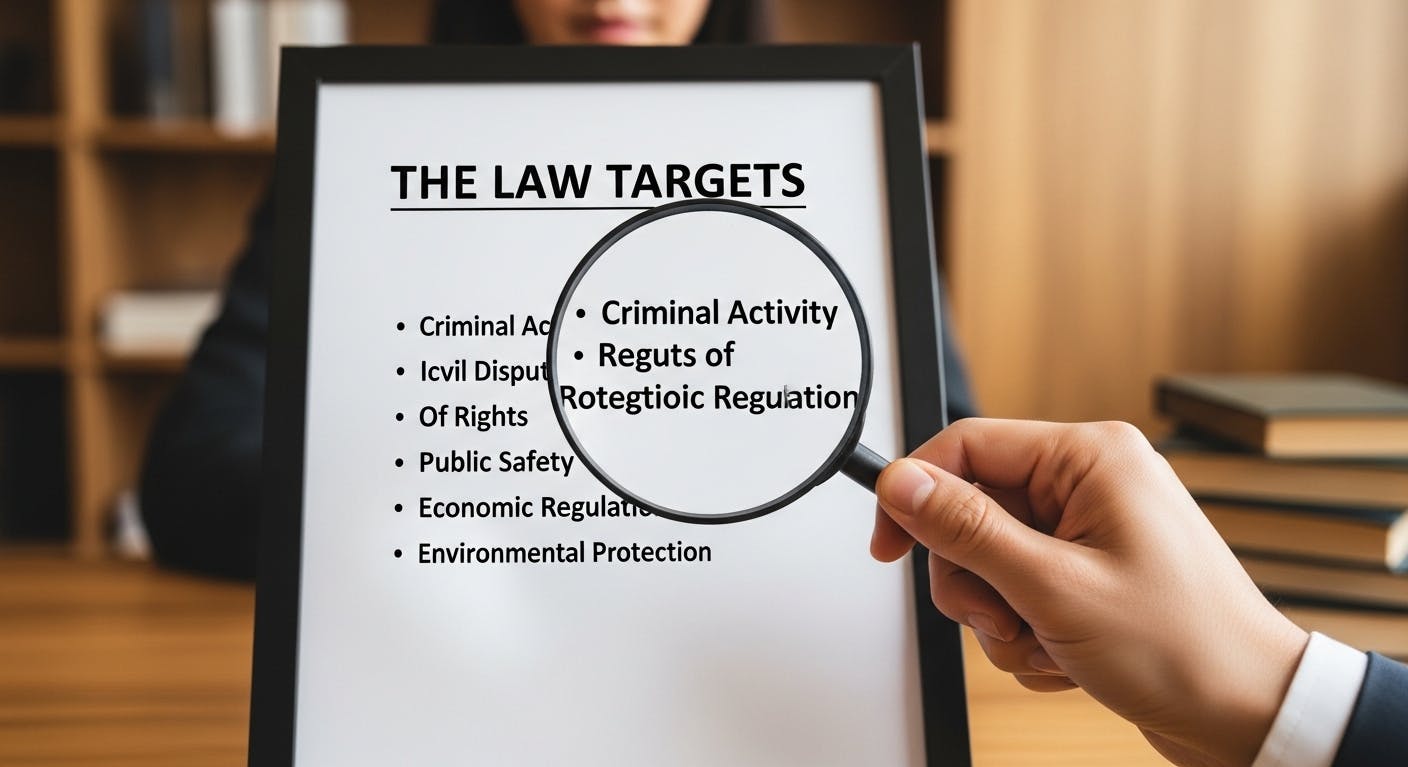
The Black Money Act focuses on undisclosed foreign income and assets that is, income or an asset located outside India that a resident and ordinarily resident person in India did not disclose.
Key things it looks at:
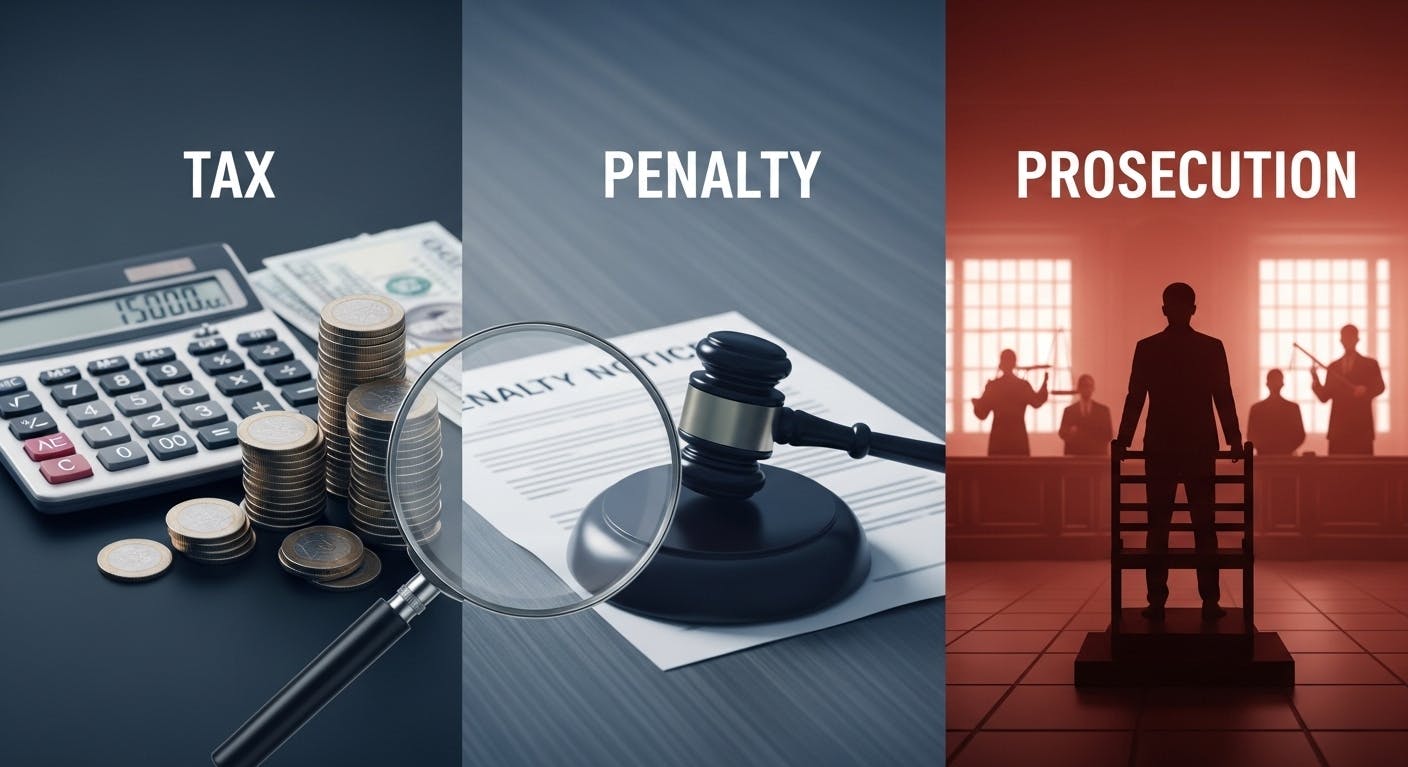
If the tax authorities believe there’s non-disclosure, the law allows them to levy tax (typically a flat rate treatment under the Act), levy a penalty (in many cases up to three times the tax), and in severe cases start prosecution. That’s why it’s taken seriously.
Still a notice does not equal guilt. Many disputes start from an innocent omission: a forgotten old overseas bank account, an investment that was already taxed under a different head, or an incorrectly filled Schedule FA.
Recommended: A CLOSER LOOK AT BLACK MONEY & NON RESIDENTS
When you get a notice, don’t react emotionally. Treat it like an instruction to collect facts.
What to look for immediately:
Write these down. It will help structure your reply and avoid missing deadlines.

Tax officers will want proof. The earlier you can produce documents, the better.
Usual documents that help:
Tip: keep the originals or certified copies ready to hand over if asked for summons.

The Act’s language can be intimidating. But break it down:
If you already disclosed the asset in your return, or the income was offered to tax elsewhere, that fact matters. Show it early.
When the officer asks for a written explanation, keep your submission factual and well-documented.
Good structure:
Keep emotions out. Avoid long, defensive essays. One clear submission is better than ten half-baked notes.

Sometimes the quickest way out is to revise the earlier return (if allowed) or to furnish missing information promptly.
A voluntary correction signals cooperation and often reduces the intensity of follow-up action.

A frequent trap is the “beneficial owner” question. You may be linked to an overseas account, but are you the beneficial owner?
Showing the true legal / commercial ownership early helps avoid wrong charges.

If the assessing officer issues an order you disagree with, you have statutory appeal rights.
Practical points:
Don’t skip the appeal step thinking you’ll go to court directly appellate authorities are practical and tax-savvy.
If the notice or order suggests prosecution or criminal sanction, involve a tax lawyer without delay.
Prosecution under the Act is serious. A lawyer can:
Early legal intervention changes outcomes.

Scenario A - An old overseas salary account wasn’t disclosed
Action: Pull bank statements, show the deposit history, confirm whether the income was already shown in returns. If missed, revise or disclose and pay tax with interest.
Scenario B - You’re listed as a director of a foreign company but received no benefit
Action: Provide board papers, minutes, proof that remuneration wasn’t received and bank flows don’t support personal benefit; show you weren’t the beneficial owner.
Scenario C - Information came via foreign exchange data (FATCA / CRS)
Action: Match the incoming data with your records, show you disclosed the income or asset, or explain why the data point relates to someone else (e.g., joint account).

Global information exchange makes foreign assets visible to tax authorities. If you have undisclosed foreign assets or undisclosed foreign income, the safer path is to address them proactively rather than hope they are never noticed.
Most disputes are administrative, not criminal. A prompt, well-documented response and sensible use of revision and appeal procedures usually keeps matters under control.

POEM decides whether your foreign company is taxed in India on its global income. The ₹50 crore threshold, the ABOI test, and how to keep your position defensible.

Received a transfer pricing adjustment from the TPO? The grounds that actually work, the comparables arguments, and how to cut the number down on substance
Missed a tax appeal deadline? Get every GST and income tax appeal time limit, form, fee and pre-deposit rule for 2026 in one simple checklist.
