
BUDGET BYTE – KNOW ABOUT NEW TAX REGIME VS OLD TAX REGIME?
If you are unaware of the changing tax regime. Then, DSRV India is here to solve your doubts about the new tax regime and old tax regime in this blog.

If you are unaware of the changing tax regime. Then, DSRV India is here to solve your doubts about the new tax regime and old tax regime in this blog.

0-3 Lakh: No Tax
3-6 Lakh: 5%
6-9 Lakh: 10%
9-12 Lakh: 15%
12-15 Lakh: 20%
Above 15 Lakh: 30%
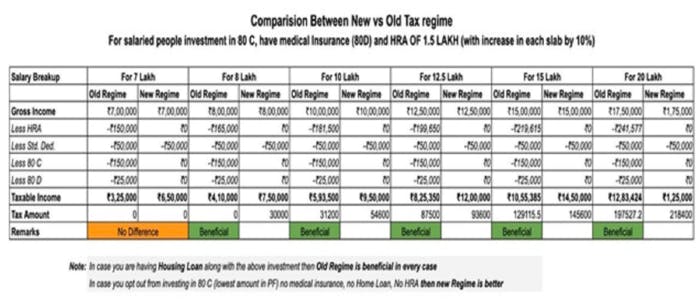
Hence, Government wants to promote new tax regime claimed to be simple tax services with lesser tax rates but without exemptions and deductions. Our analysis shows that if one is claiming deduction of HRA, investments u/s 80C and medical insurance u/s 80D, then in most of these cases old regime will be the obvious choice of an Individual. The default tax regime will be the new tax regime and one has to choose the old tax regime by filling a form unlike presently.

What triggers a transfer pricing dispute in India, the four stages it passes through, and where to go next depending on the stage you are at right now.

How NRIs are taxed in India: residential status, the 120-day rule, what income is taxable, DTAA relief, NRE and NRO accounts, property sales and return filing.

Which professionals can advise on a GST demand order in DRC-07 and file the appeal, what the pre-deposit requires, and how to choose before the clock runs out.
